


Vertigo & dizziness
Vertigo and dizziness can make even simple daily activities feel overwhelming. At Rapid Chiro, we evaluate whether dysfunction in the upper neck may be contributing to your symptoms.
What Is Vertigo?
Vertigo is more than simply feeling dizzy. It is the sensation that you or your surroundings are spinning or moving, even when you're completely still. Episodes may last only a few seconds or continue for hours, and they are often accompanied by nausea, imbalance, difficulty walking, or motion sensitivity.
Dizziness is a broader term that can describe feeling lightheaded, unsteady, off balance, or disconnected from your surroundings. While vertigo and dizziness are different sensations, they often occur together and can have many possible causes.
Determining the source of these symptoms is the first step toward finding the right approach.
Schedule your NO COST CONSULTATION today!
Book Now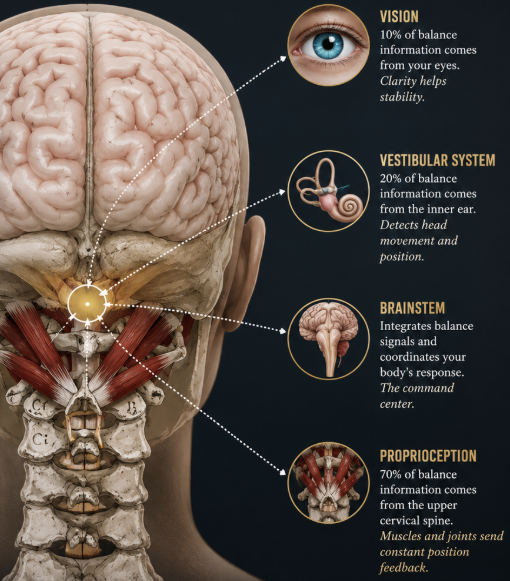
Could Your Neck Be Involved?
Your ability to maintain balance depends on three major systems working together:
Your inner ear (vestibular system)
Your eyes (visual system)
Your upper neck (proprioceptive system)
The joints at the top of the neck contain one of the highest concentrations of motion and position sensors in the entire spine. These receptors constantly send information to the brain about where your head is positioned in space.
The brain combines information from your eyes, inner ear, and upper neck to maintain balance and orientation. When one of these systems is providing altered or conflicting information, some individuals may experience dizziness, imbalance, or vertigo.
How we Evaluate
-
![A man and woman sitting on an examination table in a medical office, looking at a piece of paper; the woman has curly hair and wears a white sweater, the man has dark hair and a beard, wears a black shirt; medical posters on the wall and medical equipment nearby.]()
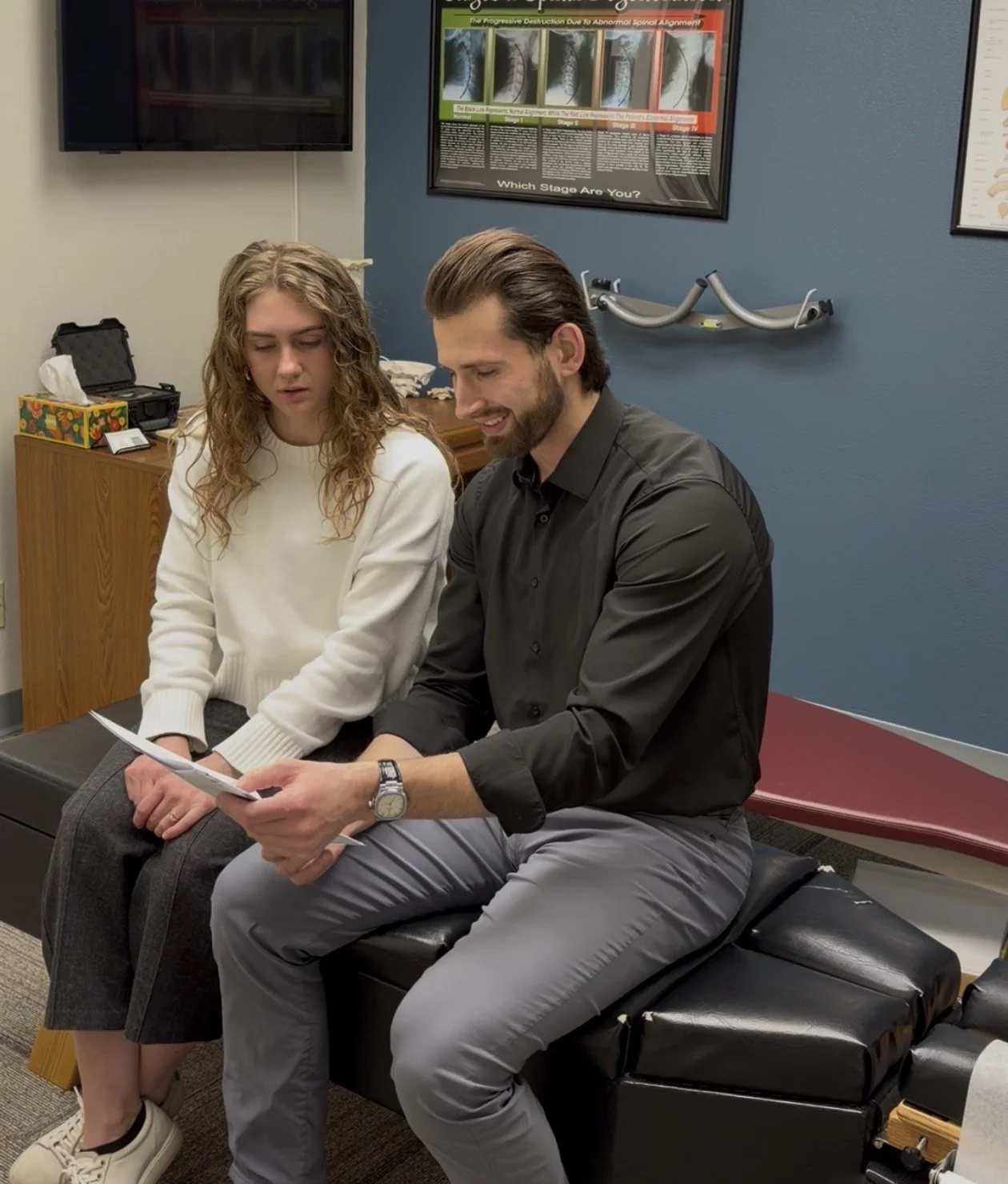
Consultation
We take the time to understand your health history, vertigo symptoms, previous injuries, and your goals.
-
![A woman undergoing an upper cervical x-ray procedure.]()
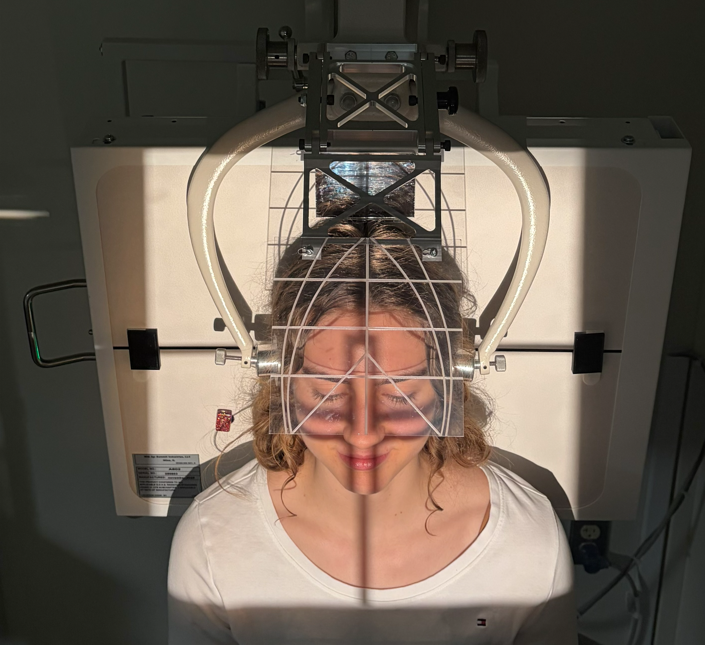
Digital X-rays
If indicated, specialized upper cervical X-rays allow us to evaluate the alignment of the upper neck with precision.
-
![A woman with long blonde hair wearing a headband with sensors, performing functional neurology tests.]()
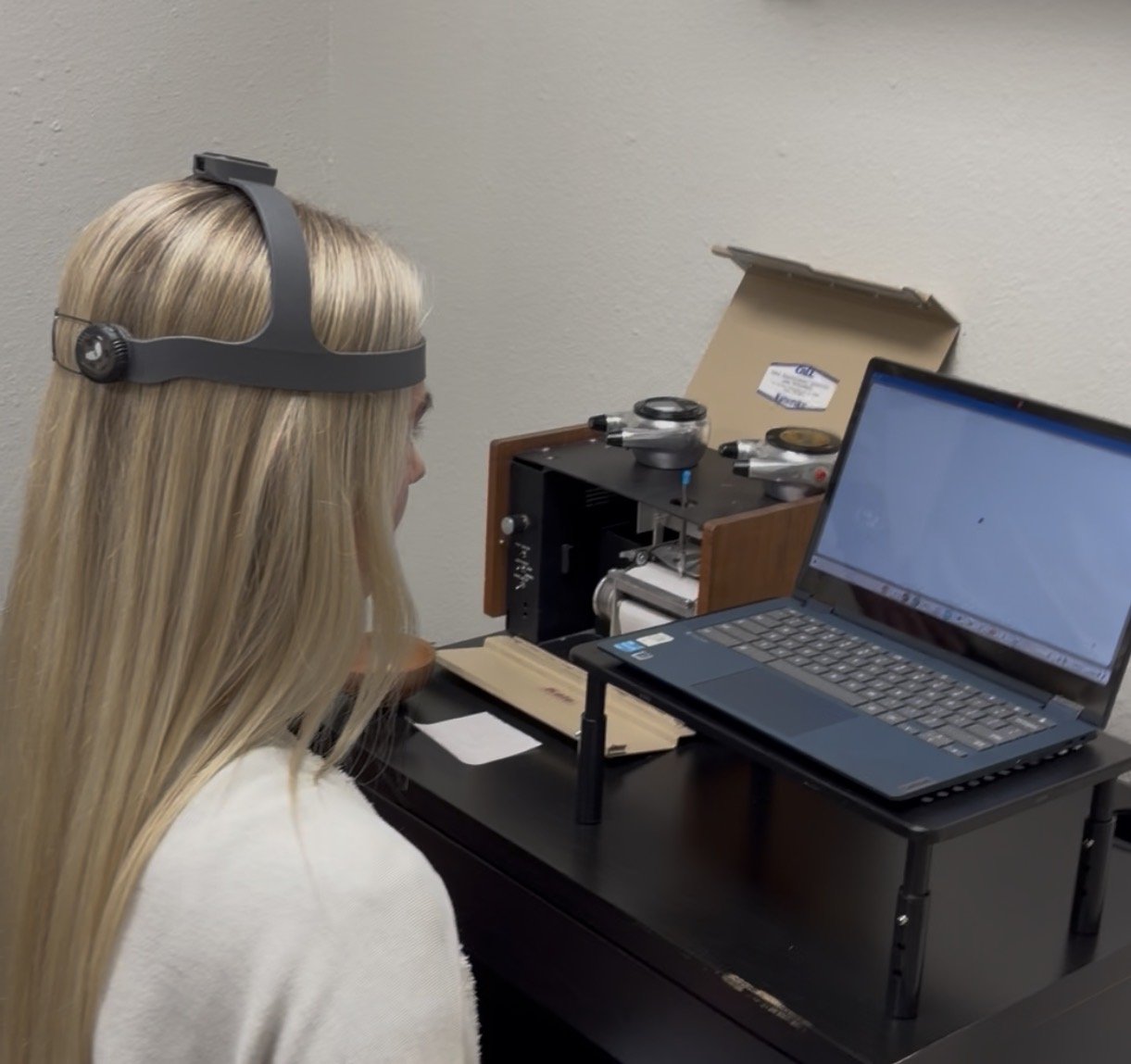
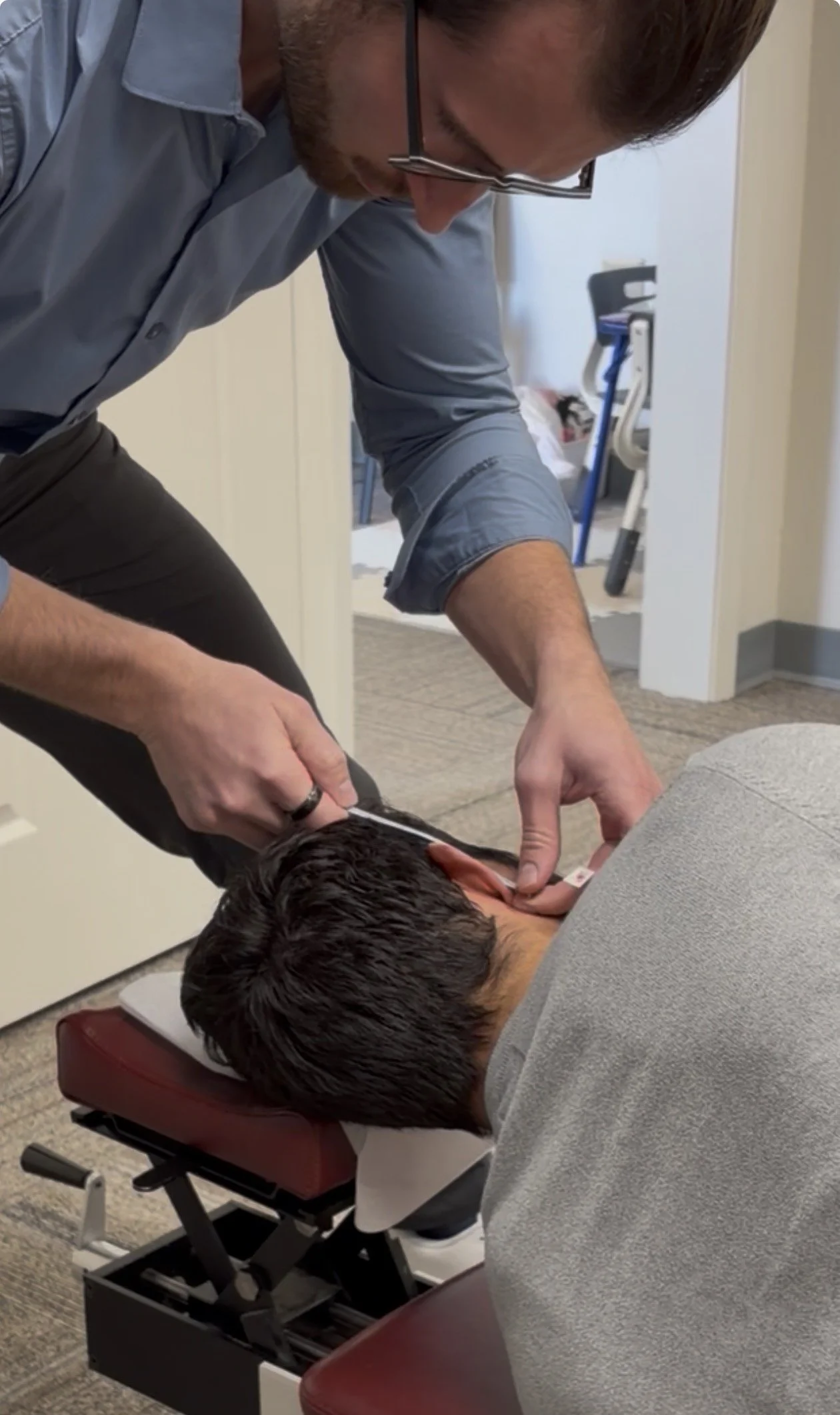
NeckCare Functional Testing
The neck contains some of the highest concentrations of sensory receptors in the body. We use NeckCare technology to objectively measure range of motion, joint position accuracy, and sensorimotor control. These tests help us understand how well your neck is functioning and provide measurable data we can track over time.
You won’t find testing like this anywhere else in the Black Hills.
-
![Dr. Kyle performing posture screen software to analyze a patient's posture.]()
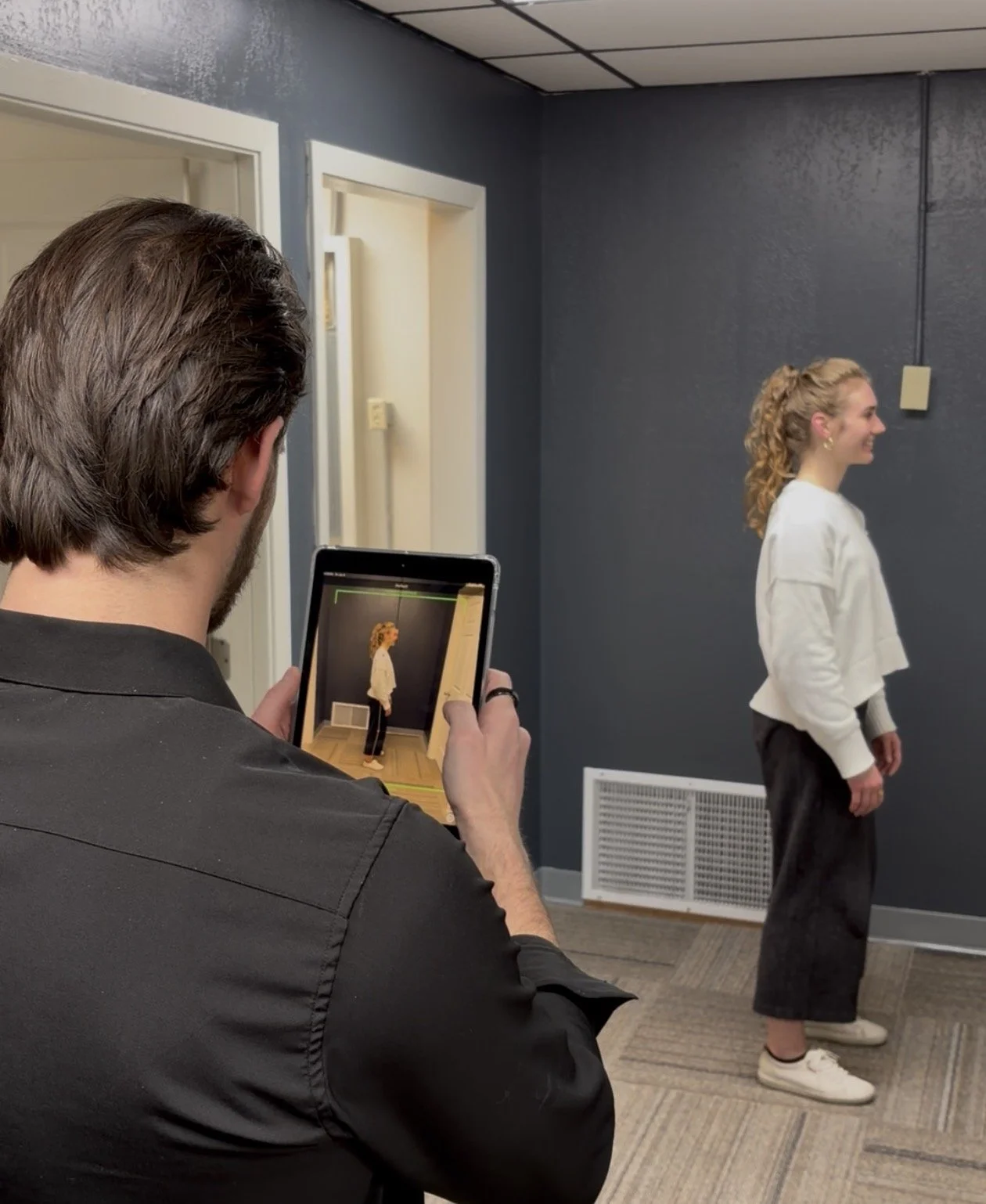
Posture Analysis
Your posture provides valuable insight into how your body is adapting to gravity. Even small shifts in head and shoulder position can place additional stress on the muscles and joints of the neck.
Using digital posture analysis, we objectively measure alignment rather than relying on visual observation alone. This gives us a baseline that we can compare throughout care.
Why Precision Matters
No two people have the exact same anatomy, injury history, or movement patterns. That's why we don't believe every patient should receive the same adjustment.
Our goal is to gather as much objective information as possible before making a correction. Every step—from posture analysis and specialized X-rays to functional testing—is designed to help us determine whether an upper cervical correction is appropriate and, if so, exactly how to perform it.
Rather than relying on force, our approach emphasizes specificity. A precise correction is designed to work with your anatomy, not against it.
Schedule your NO COST CONSULTATION today!
Book NowFrequently Asked Questions
-
For some individuals, dysfunction involving the upper cervical spine may contribute to dizziness or vertigo. Our goal is to determine whether the upper neck may be a contributing factor in your specific case.
-
Upper cervical chiropractic uses a gentle, precise approach that typically does not involve twisting or forceful rotation of the neck.
-
If clinically appropriate, specialized X-rays help us understand the unique alignment of your upper neck and guide care.
-
Your first visit is approximately one hour.
During that time, we'll take the time to understand your health history, discuss your symptoms and goals, perform a detailed examination, evaluate your posture, and determine whether specialized upper cervical imaging is appropriate.
Our goal isn't to rush you through an appointment—it's to gather the information needed to understand whether the upper cervical spine may be contributing to your condition and develop a personalized plan based on objective findings.
-
Not usually. Our first priority is understanding exactly what's going on. If additional imaging or testing is needed, we'll review those findings before making any recommendations. This approach allows us to provide care that's based on objective information rather than guesswork.
-
The cost of your initial visit depends on the specific examination procedures and testing the doctor determines are appropriate for your individual case. Every patient is different, and we tailor the evaluation based on your history, symptoms, and clinical findings.
If you'd like to learn more about what your visit may include or receive an estimate based on your situation, our team would be happy to help. Please give our office a call, and we'll answer any questions you have before scheduling.
Get started today.
Schedule your NO COST CONSULTATION today!
Book Now